An older wall on a pre-1960 lot
About 48.5% of Peninsula homes were built before 1960 (Census ACS). The first visit separates a drainage problem from a structural one.
Service area · City of San Diego
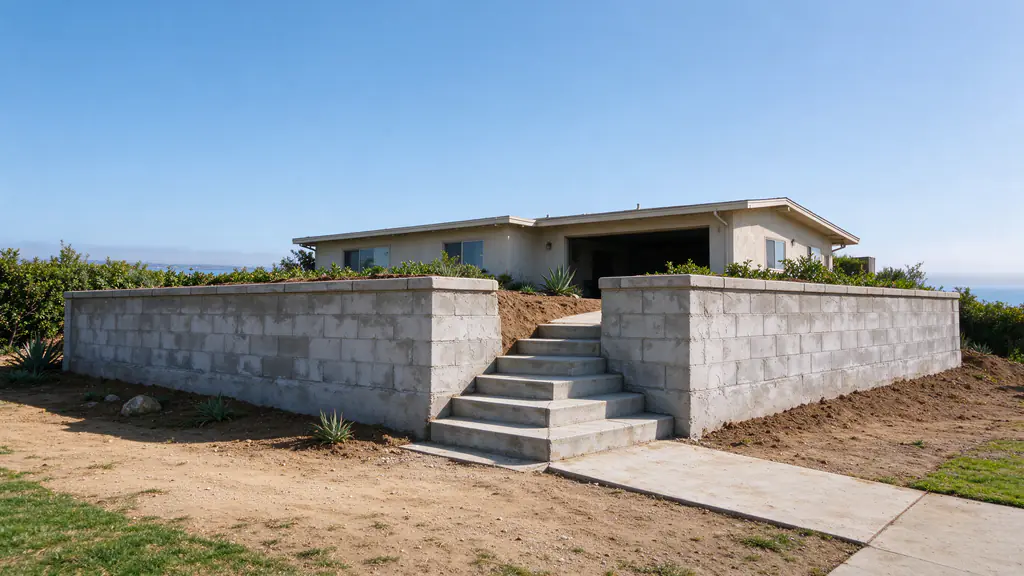
About 48.5% of Peninsula homes were built before 1960 (Census ACS). The first visit separates a drainage problem from a structural one.
On lots with a mapped sensitive coastal bluff, walls and fences stay at grade and at least 5 feet from the edge (SDMC 143.0143).
Substantially altering its foundation, or replacing 20% or more of its materials with different ones, ends the Coastal Development Permit exemption (SDMC 126.0704).
A surcharge brings a building permit at any height and rules out the City's standard wall design (IB 220).
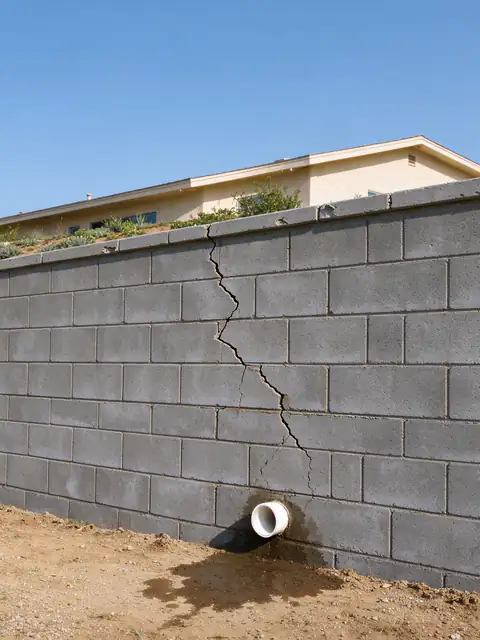
Retaining wall repair in San Diego for leaning, cracked and weeping walls, matched to the cause: drainage, footing or the load above.
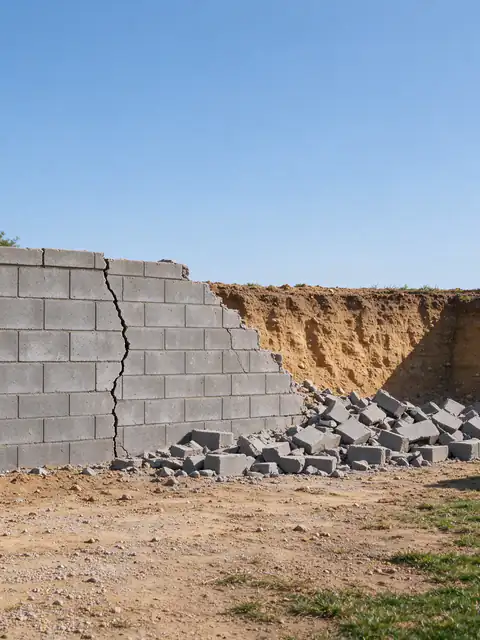
Retaining wall replacement in San Diego: failed block, timber and crib walls rebuilt with a new footing, drainage zone and backfill.
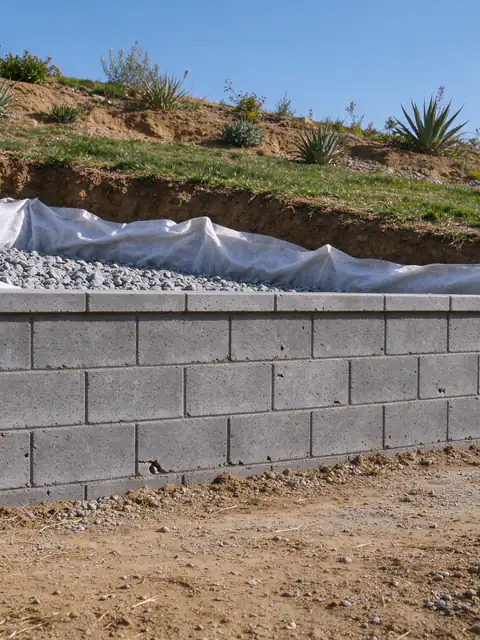
Retaining wall drainage in San Diego: gravel, fabric and perforated pipe behind new walls, plus retrofits for blocked drains.
Last Updated:
Nearly half of Point Loma’s homes were built before 1960 (Census ACS), so a retaining wall in Point Loma is often older than the City rules now used to judge it. That age is a reason to look closely, not proof that a wall is failing. Through Batterline San Diego Retaining Walls, Peninsula owners can have that look organized and the work managed, whether it ends in repair, replacement or a new wall. Permits come from the City of San Diego’s Development Services Department, and because about three quarters of the planning area lies inside the Coastal Zone, many projects also need a Coastal Development Permit or a documented exemption.
Which path fits depends on what the wall is doing, not how old it is. The first visit records its length, its exposed height and its height from the top of the footing, the wall type, any lean, bulge or cracks, the drains, weeps and irrigation, the load above, the access and any old permits. A sound wall that weeps may only need its drainage restored. A wall that moves because the soil behind it is saturated, or because a patio was poured too close to its top, isn’t fixed by patching the face: the footing or the soil zone behind the wall has to be dealt with, which is the line the repair or replace guide draws.
Measurement matters too. The City exempts walls 3 feet or less from the top of the footing that carry no surcharge (SDMC 129.0203), so a wall that looks short above the lawn can still need a permit, and a driveway, fence or steep slope above changes the answer at any height. A garden edge that holds back no soil is a different structure, and the estimate treats it separately.
Point Loma’s soils are mostly not the swelling clays found inland. In a USDA soil survey sample of the planning area, only about 3% of points show moderate or higher shrink-swell; the common mapped units are urban land, Marina loamy coarse sand and Gaviota fine sandy loam on 9 to 50 percent slopes. On the steeper Gaviota ground, the question is less about clay pushing on the wall and more about how the slope and the footing behave together.
The City’s hazard map carries the rest. In a grid sample of it, about 2% of the Peninsula is mapped as confirmed or possible landslides and about 3% as coastal bluff. Under SDMC 145.1803, a wall over 6 feet, or a shorter one supporting a surcharge, needs a geotechnical investigation in a landslide category or bluff categories 41 to 43. The City’s standard block wall drawings can’t be used on landslide or bluff-stability sites (IB 221), so those walls go to a California-licensed engineer from the start, as the guide on when a wall needs an engineer explains.
About 74% of a grid sample of the planning area falls inside the California Coastal Zone boundary. In the City’s Coastal Overlay Zone, coastal development needs a Coastal Development Permit unless exempt (SDMC 126.0702). Improvements to existing structures are usually exempt, but not within 50 feet of a coastal bluff edge or for significant landform alteration within 100 feet of one. Repairing a bluff retaining wall loses the exemption when it substantially alters the foundation or replaces 20% or more of the materials with different ones (SDMC 126.0704). Which case applies is settled with Development Services before design is final; the retaining wall permit guide sets out the City steps in order.
Along Sunset Cliffs, the rules that govern a wall belong to lots with a mapped sensitive coastal bluff (SDMC 143.0143). Nothing may be built on the bluff face beyond permitted repair or erosion control, and a wall or shotcrete there is a last resort to protect an existing primary structure. On the bluff top, walls and fences stay at grade and at least 5 feet from the edge, and all drainage is carried away from the bluff. A wall here is mostly a question of where water and weight end up, which the coastal bluff walls guide covers in more depth.
Ocean Beach is a separate community planning area, so the Peninsula figures above don’t describe it. The same City rules still reach its bluff-top lots: where a lot has a mapped sensitive coastal bluff, SDMC 143.0143 sets the same setbacks and bluff-face limits, and work in the Coastal Overlay Zone follows the permit rules above. The first check is whether the lot appears on the City’s bluff and coastal maps.
Point Loma is dry most of the year, so wall drains get forgotten. On January 22, 2024, Lindbergh Field recorded 2.73 inches of rain, the highest single-day total in its NOAA daily record, and a drain silted up over dry summers met that day unready. So the design works from the drain and the load outward: gravel and perforated pipe behind the wall, outlets that discharge somewhere approved, and nothing above it, whether a driveway, a patio or a fence on the wall, that the design hasn’t counted. Where the slope itself is moving, slope repair joins the plan.
City open data (Development Permits, approvals issued January 5, 2024 to October 22, 2026) lists 35 Peninsula projects whose building permit approval mentions a retaining wall, 12 of them mainly wall projects. For budgeting, the retaining wall cost guide lists the City fees and the typical ranges for block retaining walls and other wall types.
Weighing an old wall in Point Loma? Get an Estimate.
Send the wall's length and height, what sits above it, and whether the lot is near a bluff edge. The estimate sets out repair, replacement or a new wall, and the permits each would need.
It can. About 74% of the Peninsula lies inside the Coastal Zone. Work on existing structures there is usually exempt, but not within 50 feet of a coastal bluff edge, and not for bluff wall repairs that substantially alter the foundation or swap 20% or more of the materials (SDMC 126.0704). Development Services confirms which case applies.
Point Loma uses the same ranges and City fee schedule as the rest of San Diego. A grouted, reinforced block wall with a stucco or stone finish typically runs about $120 to $220 per square foot of wall face, including the footing and steel. Engineering for a block wall can reach about $8,000, and City permit fees for one wall up to 50 feet run roughly $2,800 to $4,650, plus about $1,300 to $1,400 for each additional 50 feet.
Only as a last resort. On a mapped sensitive coastal bluff, a bluff-face wall or shotcrete is allowed only when it is the only feasible erosion control protecting an existing primary structure, with a geotechnical report and a landform-matched finish (SDMC 143.0143).
Mostly. Both are in the City of San Diego and permitted by Development Services. Ocean Beach is its own planning area, so the Peninsula figures don't describe it, but the City's bluff-top and Coastal Development Permit rules apply wherever an Ocean Beach lot is on those maps.
When the wall is over 6 feet tall, or shorter but carrying a surcharge, and the lot is mapped in a landslide category (21 or 22) or a coastal bluff category 41 to 43 (SDMC 145.1803). The lot's own mapped category decides it.
The three scopes a failing wall can get, the buried conditions that decide between them, how reinforcement is checked when you can't see it, and what changes in permits and price.
What the City of San Diego, Encinitas and Solana Beach allow near a bluff edge, why bluff work is engineered and permitted case by case, and which parts of it sit outside ordinary residential wall work.
Every trigger the City of San Diego and the County use, from the 3-foot rule and surcharge loads to engineering, soils reports, coastal permits, zoning heights, licensing, fees and inspections.
Structural versus decorative walls, the narrow case the City's standard drawings cover, what a structural engineer and a geotechnical engineer each do, and what engineering adds to the budget.
Typical San Diego-area ranges for each wall type, what sits inside the price, the permit fees the City and County publish, and three worked budgets.
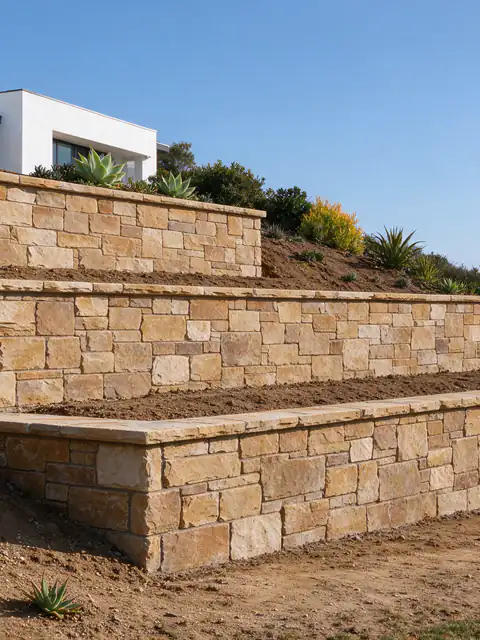
City of San Diego. Coastal bluff setbacks, the La Jolla Shores grading rules and slide-prone formations.
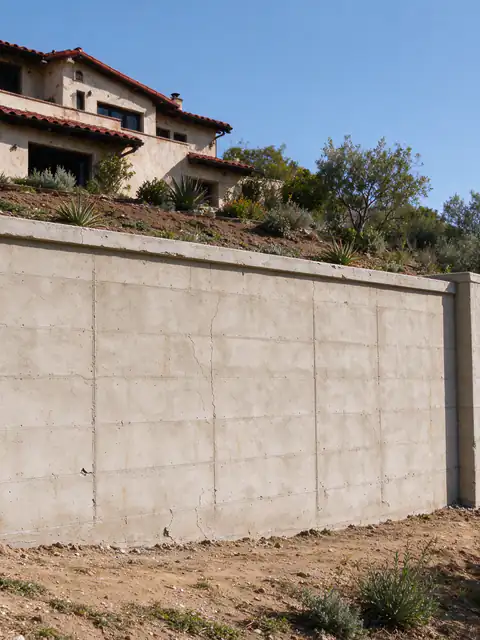
City of San Diego. Historic districts and canyon rims.
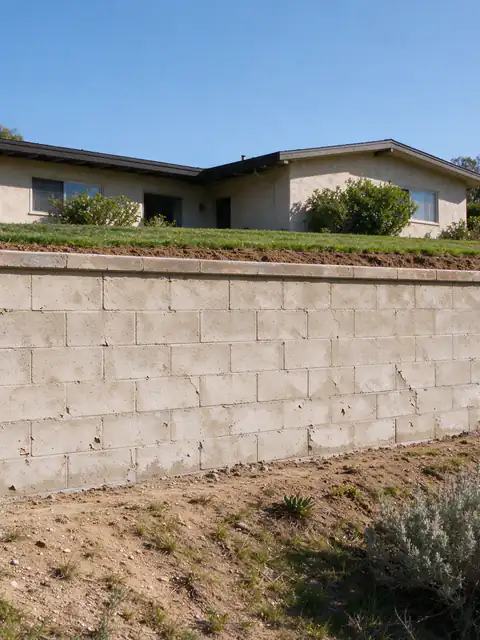
City of San Diego. Canyon-rim lots, slide-prone formations and mid-century walls.
Tell us what the wall is doing, how tall it is from the lowest visible point, what sits above it and your ZIP code. Photos of the face, the top and any drain outlets make the first conversation more useful.